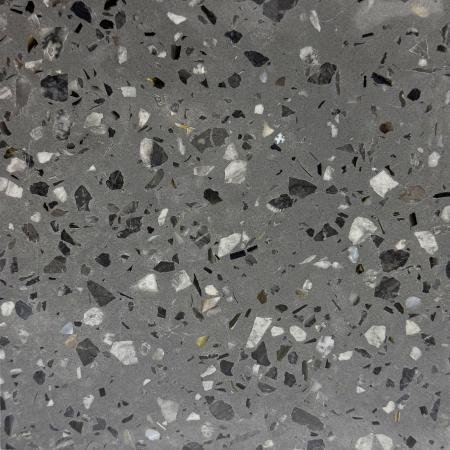
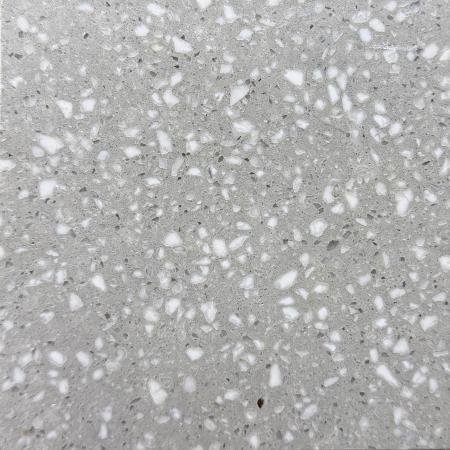
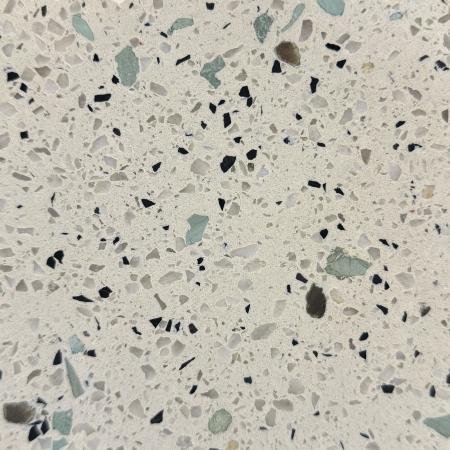
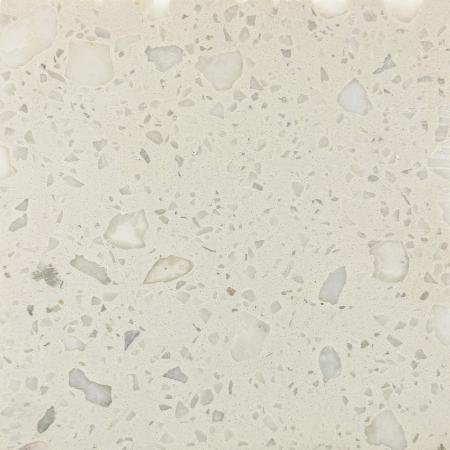
Poured-in-Place Epoxy Terrazzo Flooring
Seamless, Durable and Customizable Epoxy Terrazzo Flooring for Commercial and Public Spaces.
Key Features & Benefits
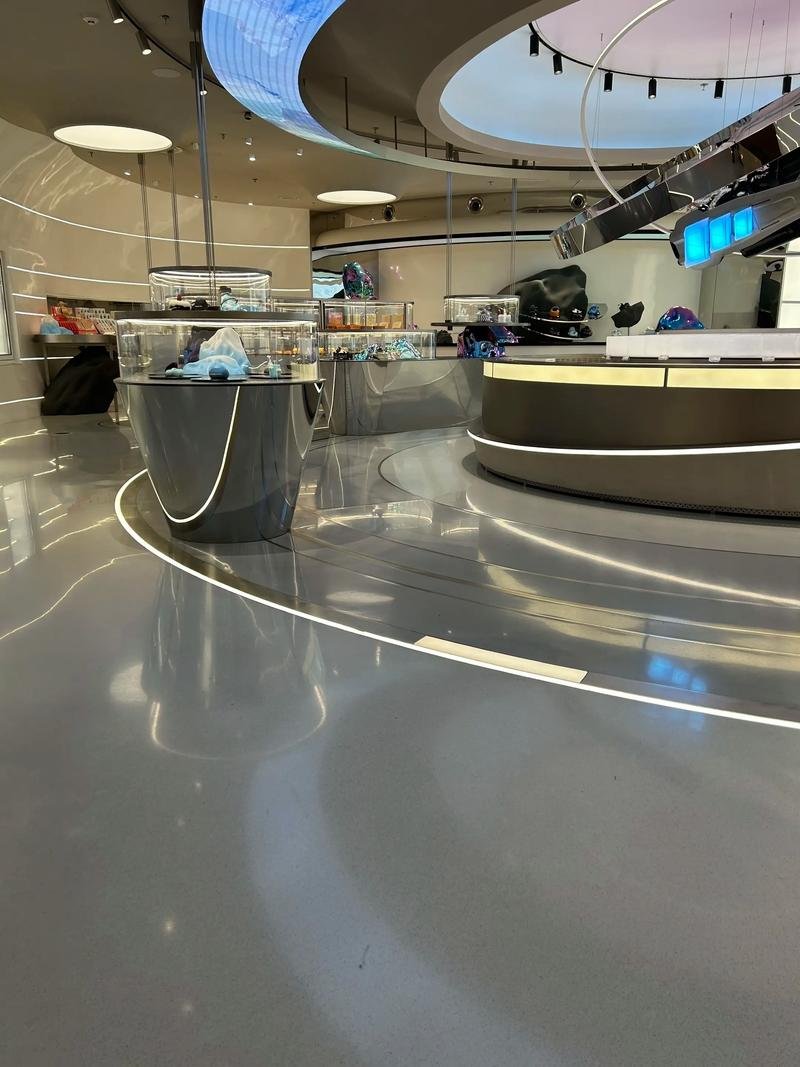
Seamless Surface
Minimizes seams; suitable for large, continuous spaces.
High Durability
Suitable for environments with high foot traffic and high usage intensity.
Chemical Resistance
Suitable for areas requiring chemical resistance.
Design Flexibility
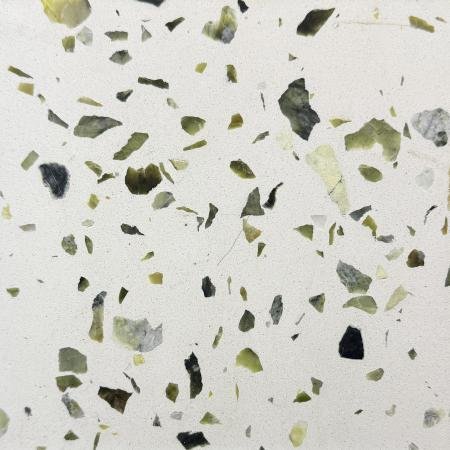
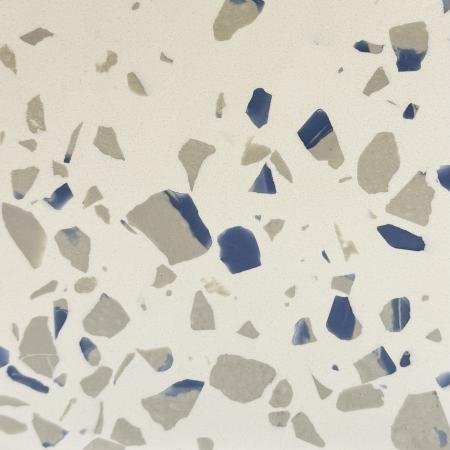
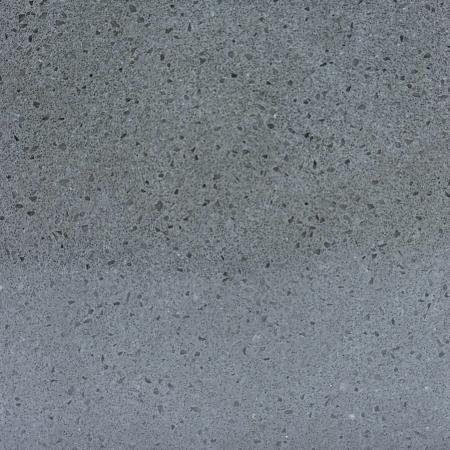
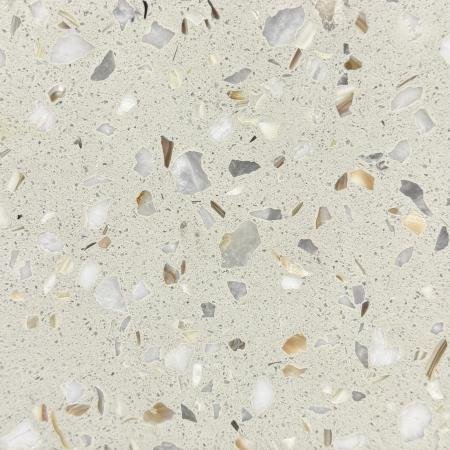
Colors, aggregates, divider strips, and patterns can be customized.
Low Maintenance
The surface is dense, and routine maintenance is relatively simple.
Long Service Life
Suitable for long-term use in commercial and public buildings.
What Is Poured-in-Place Epoxy Terrazzo?
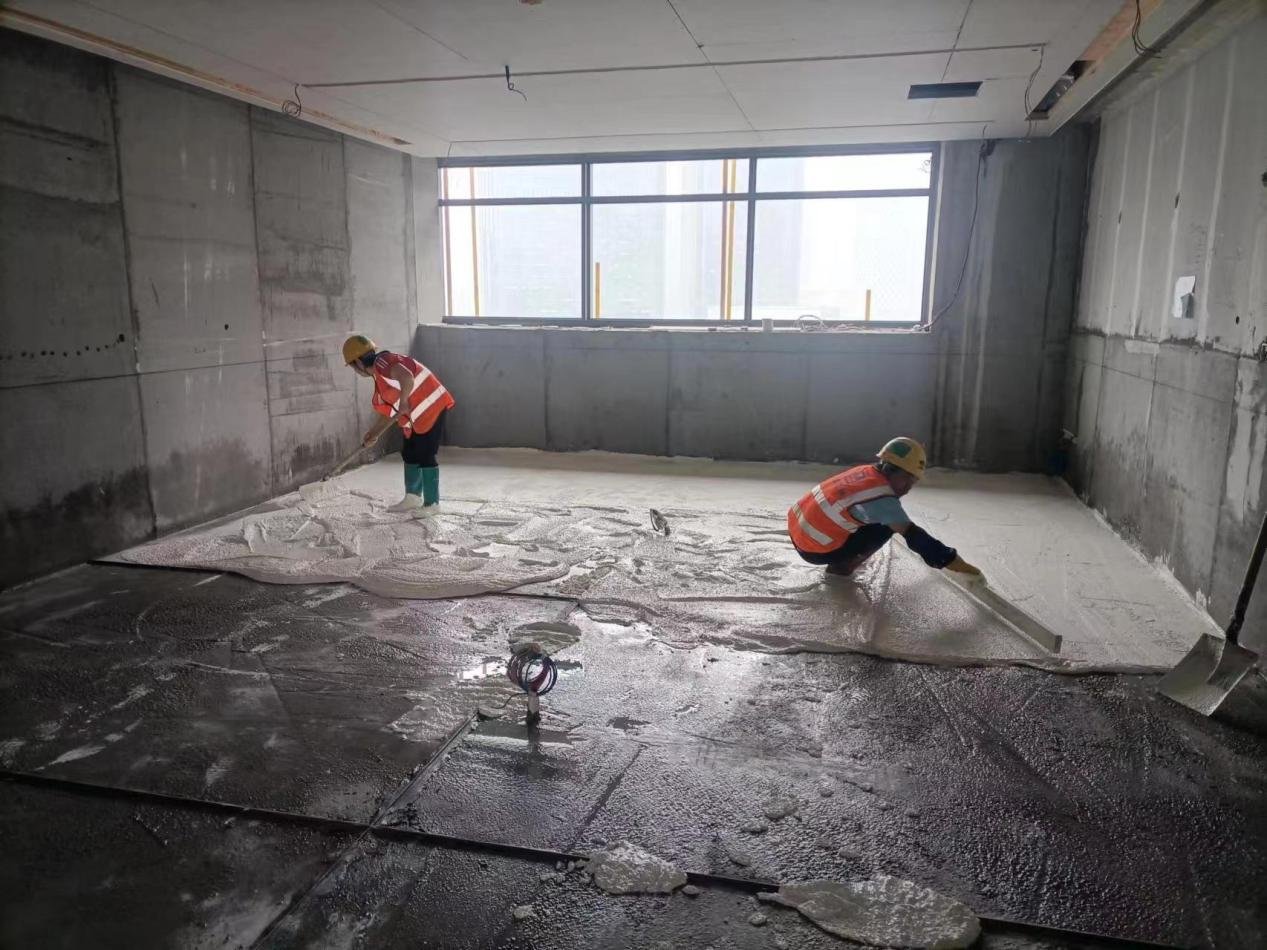
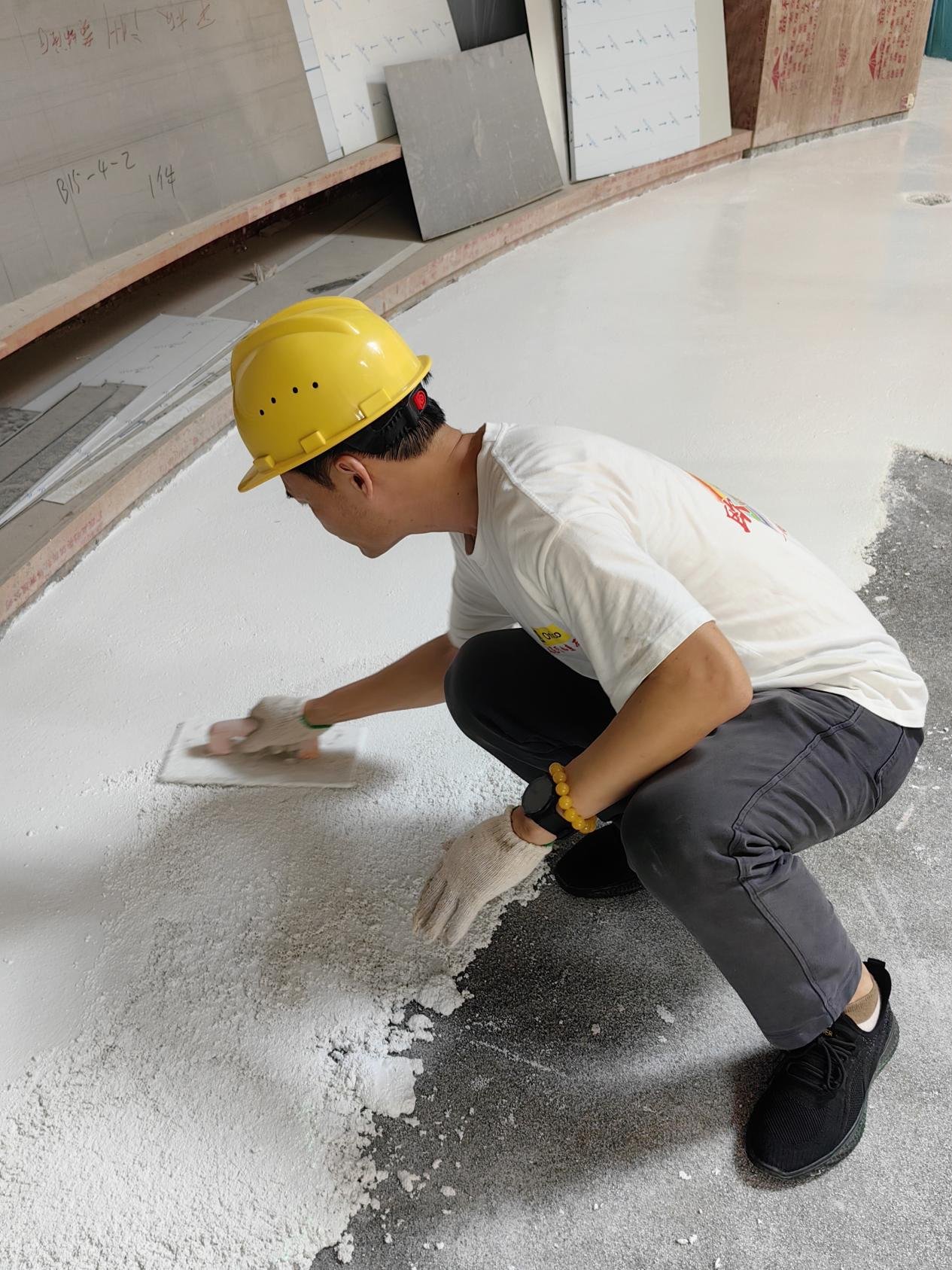
- Cast directly on-site
- Epoxy resin + aggregates
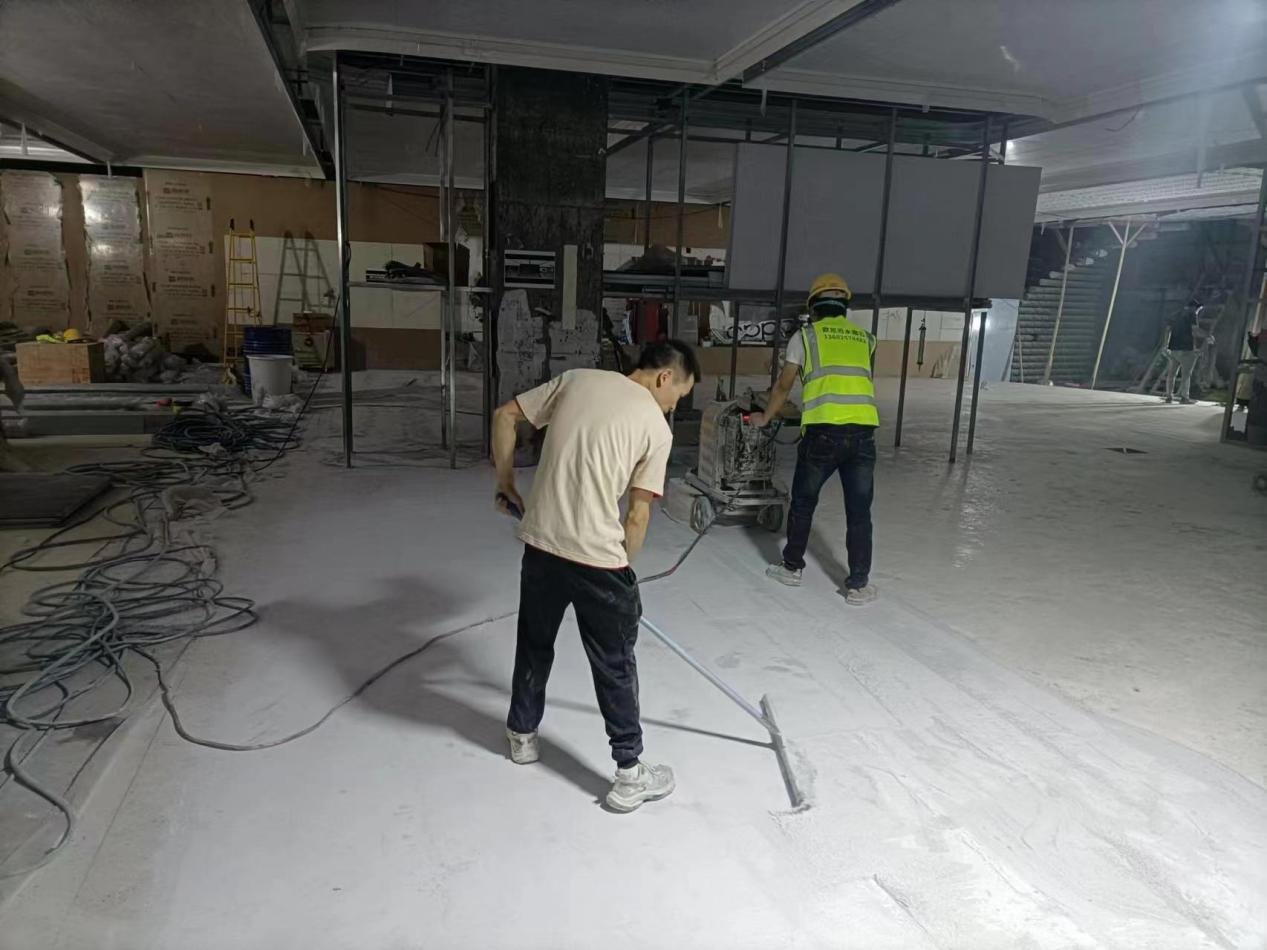
- Ground and polished after curing
- Creates a seamless, monolithic floor
- Color, aggregates, and patterns can be customized according to design requirements
Applications

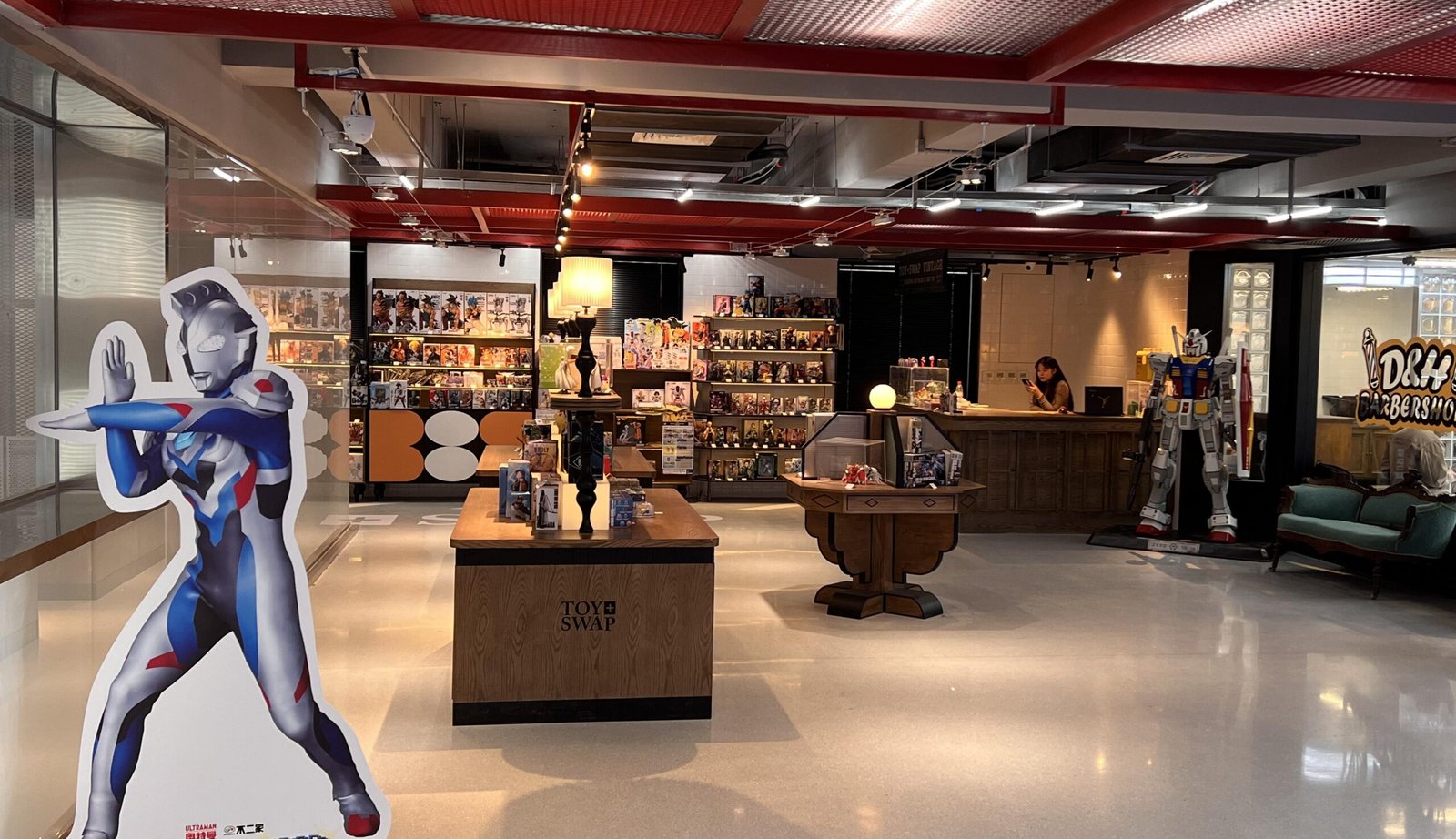
Commercial
Shopping malls/ Retail stores/ Hotels/ Offices/ Restaurants
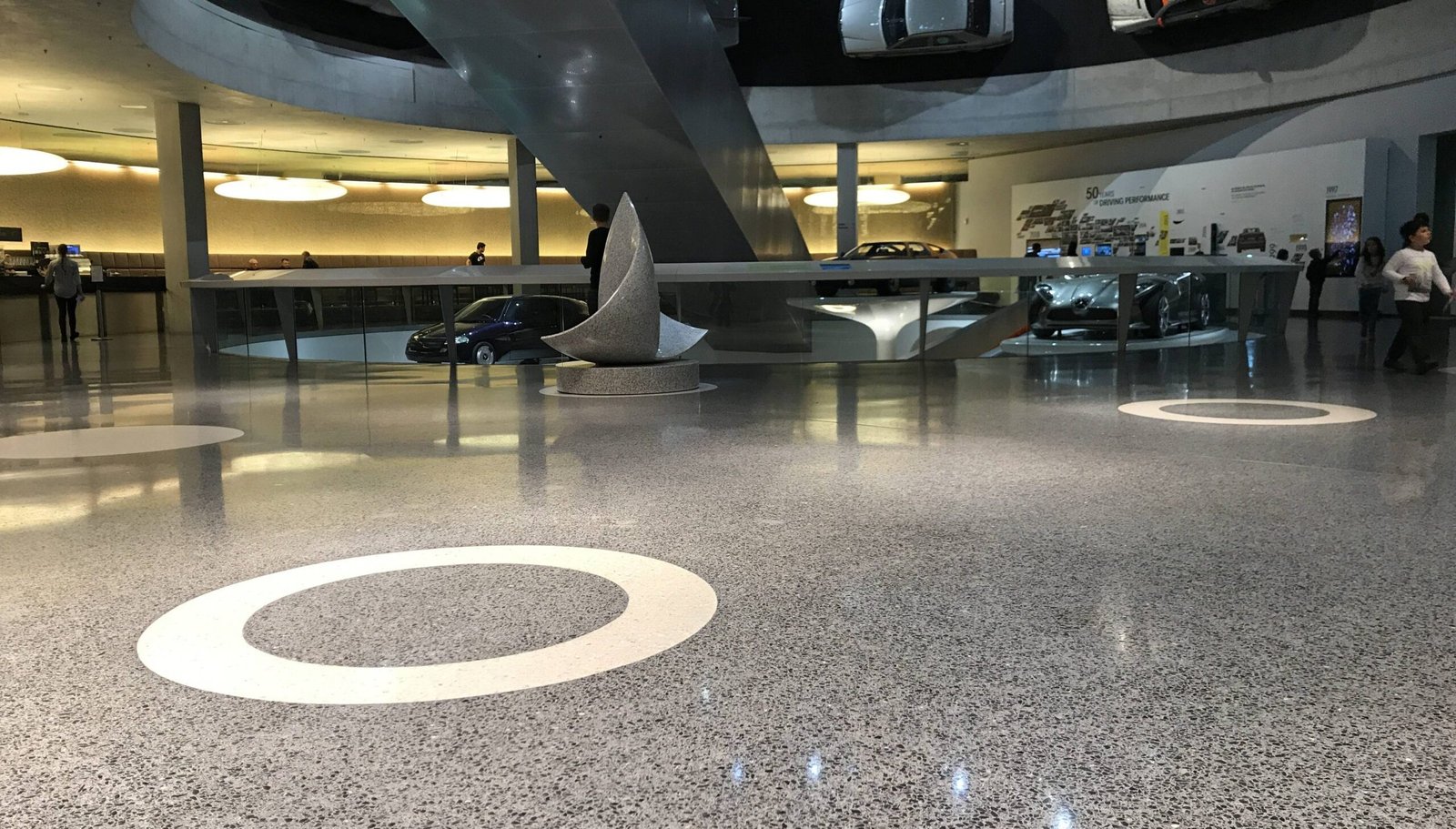
Public Buildings
Airports/ Transportation hubs/ Schools/ Hospitals/ Museums
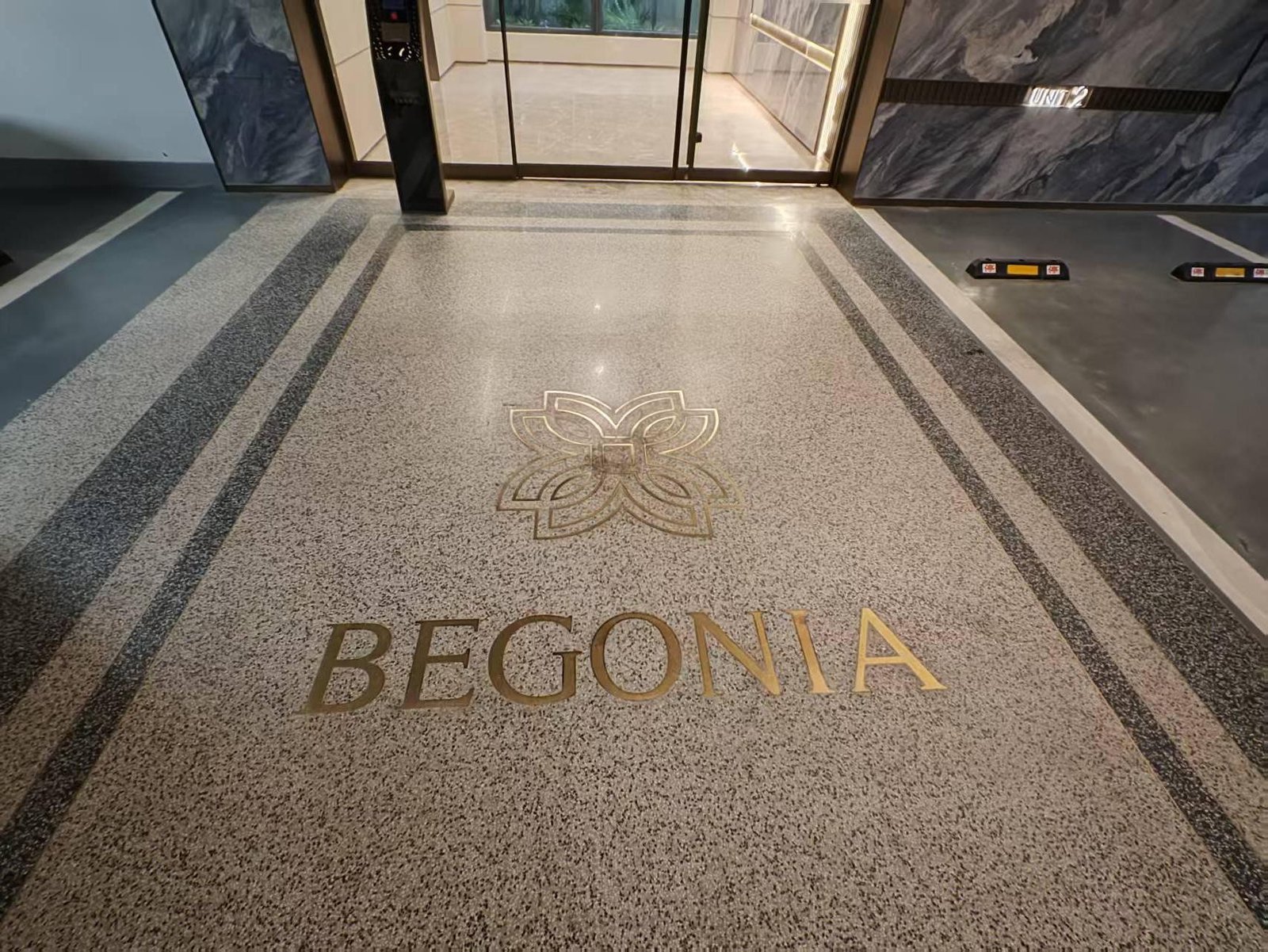
Residential
Luxury residences/ Villas/ High-end interiors
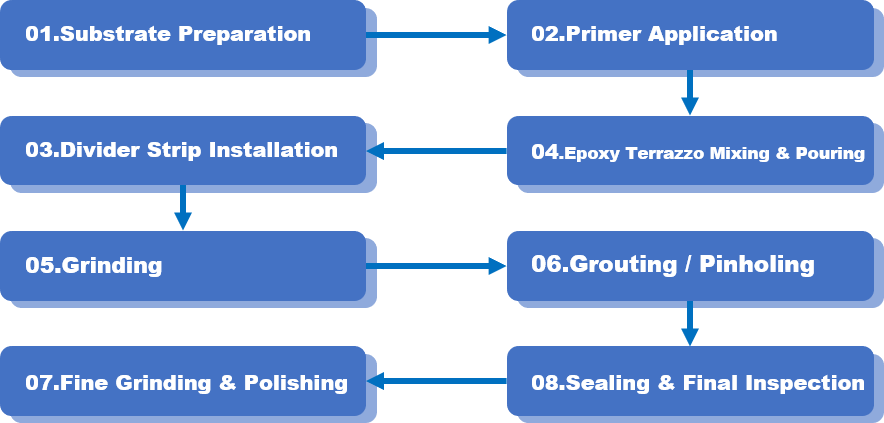
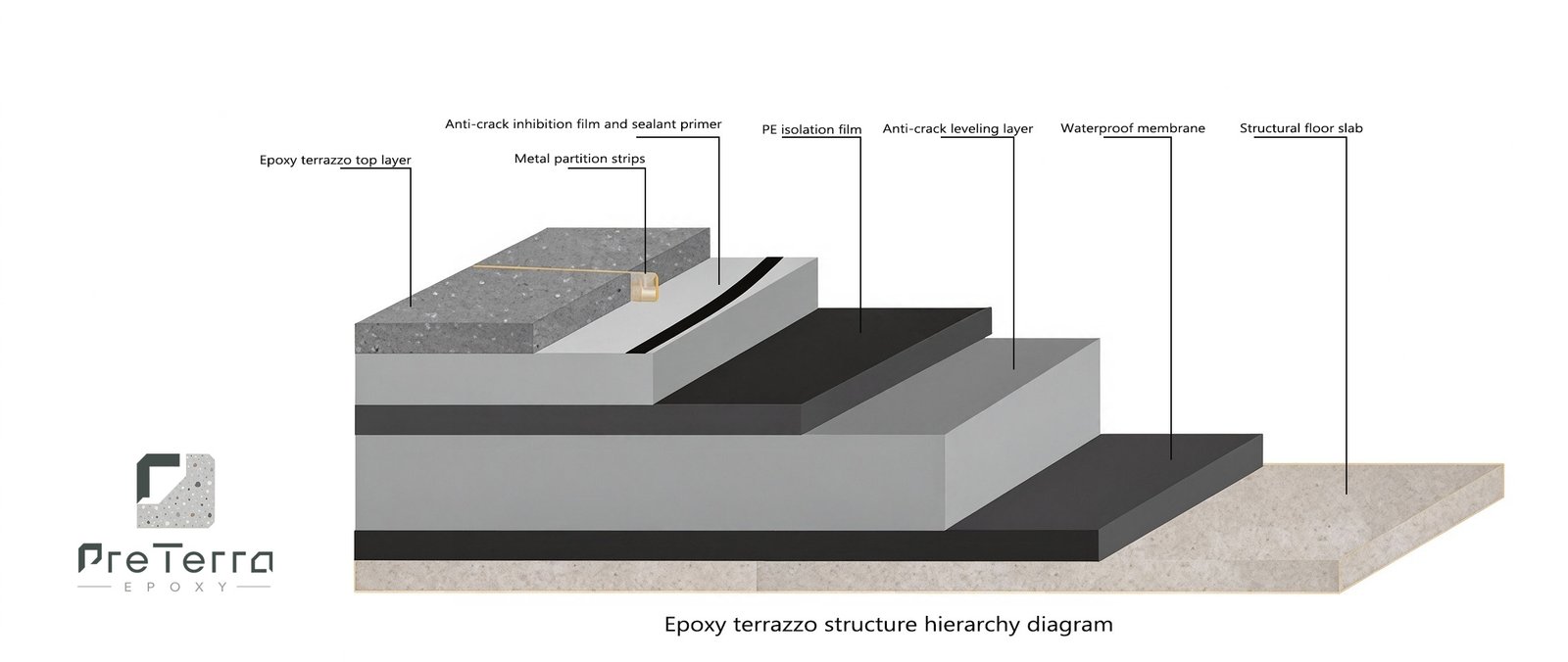
Technical Performance
Project Cases

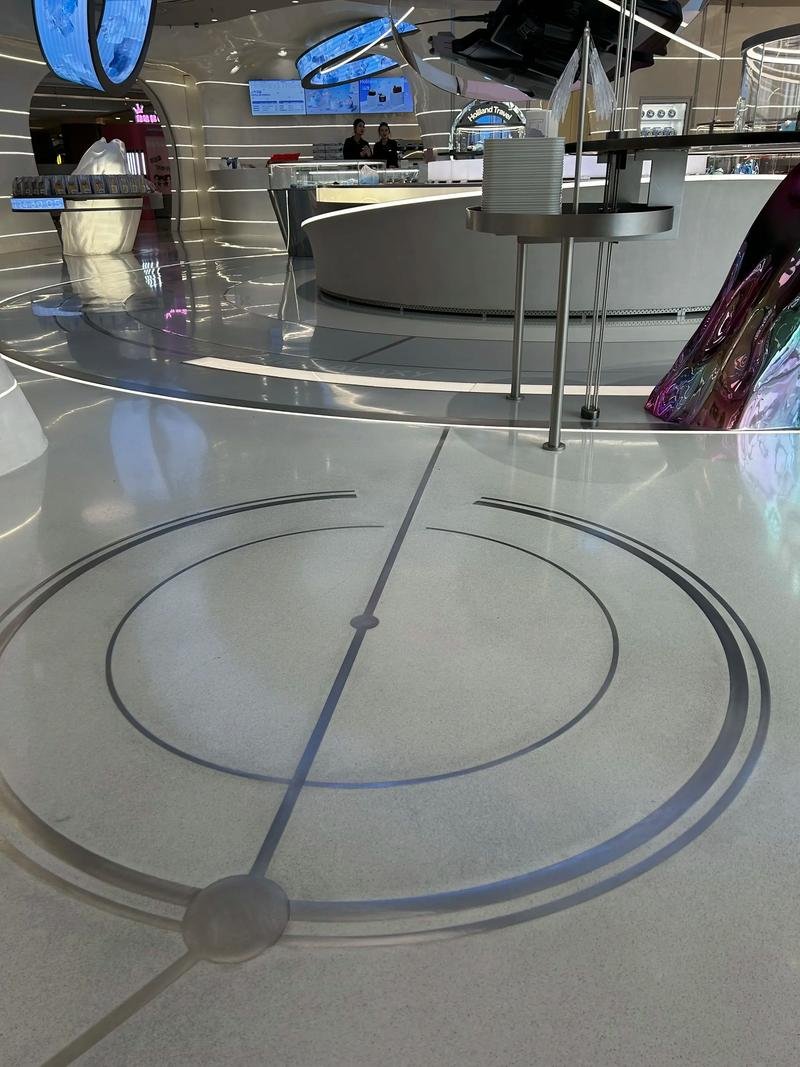
Real store

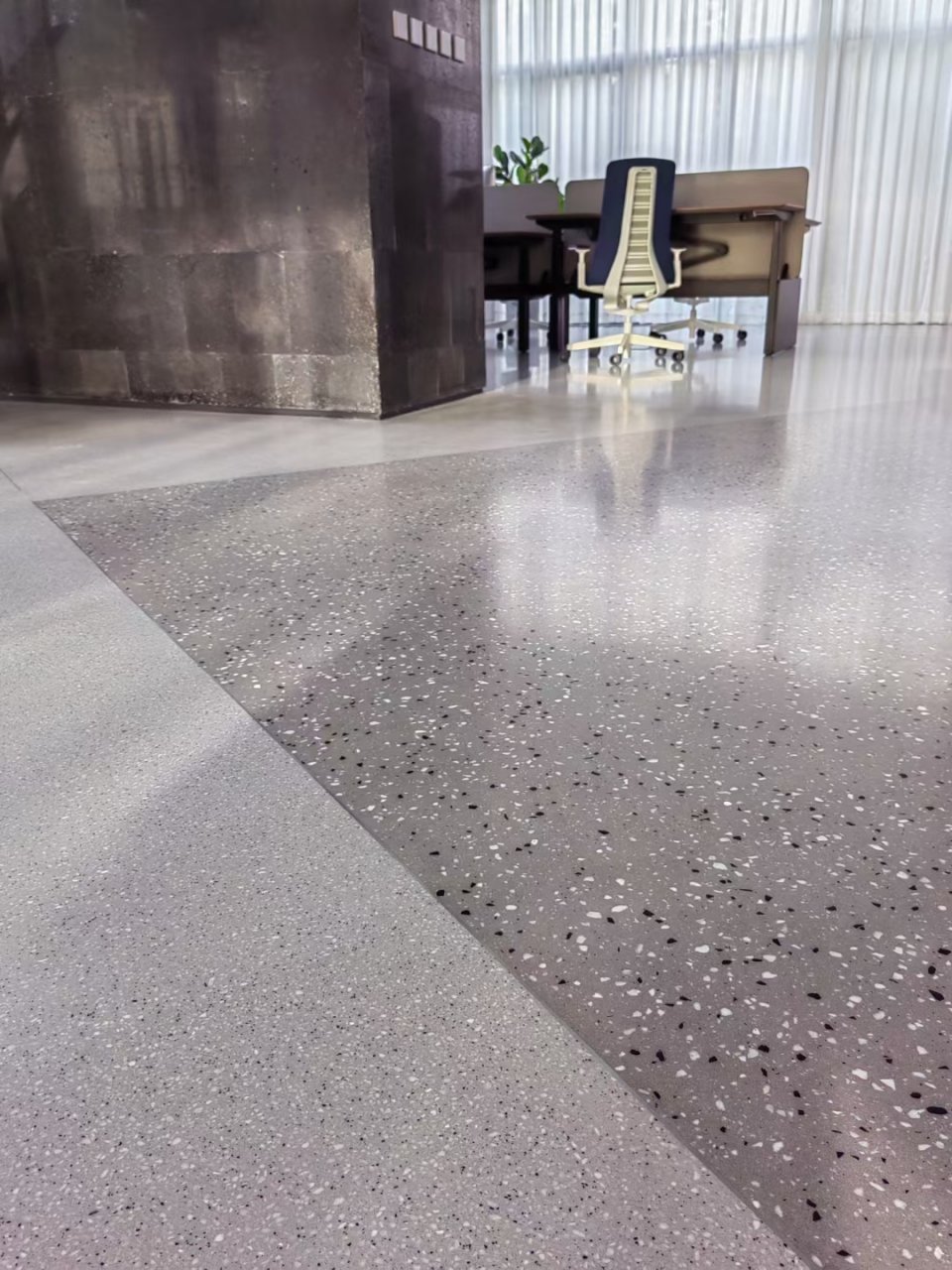
Lobby

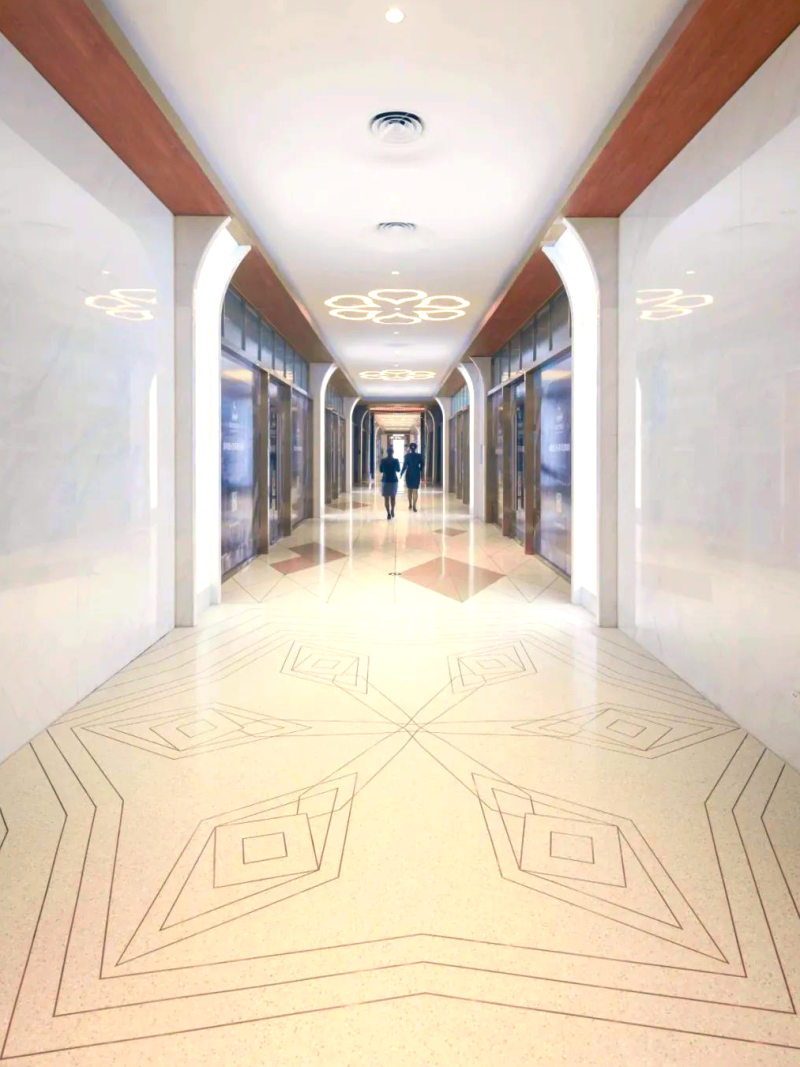
Corridor

Patterned print

Frequently Asked Questions.
As the name suggests, this is an epoxy-based terrazzo system cast in place; it is a seamless, monolithic flooring created through on-site mixing, spreading, curing, grinding, and polishing.
Depending on the application, the material is typically poured to a thickness of 1–1.2 cm, resulting in a final thickness of 0.8–1 cm after grinding.
From initial processing to final delivery, it takes at least 20 days.
Yes,free customized
Simply clean it using a mop; it can also be re-polished after a certain number of years of use.
The primary differences lie in the installation time and method. Cast-in-place epoxy terrazzo requires a large workforce for on-site execution; it is time-consuming and demands a high level of craftsmanship. In contrast, prefabricated epoxy terrazzo utilizes factory-made panels, which can be installed in a manner similar to laying ceramic tiles. In terms of performance, the two are nearly identical, both offering a lifespan equal to that of the building itself.