
1. Commercial Spaces
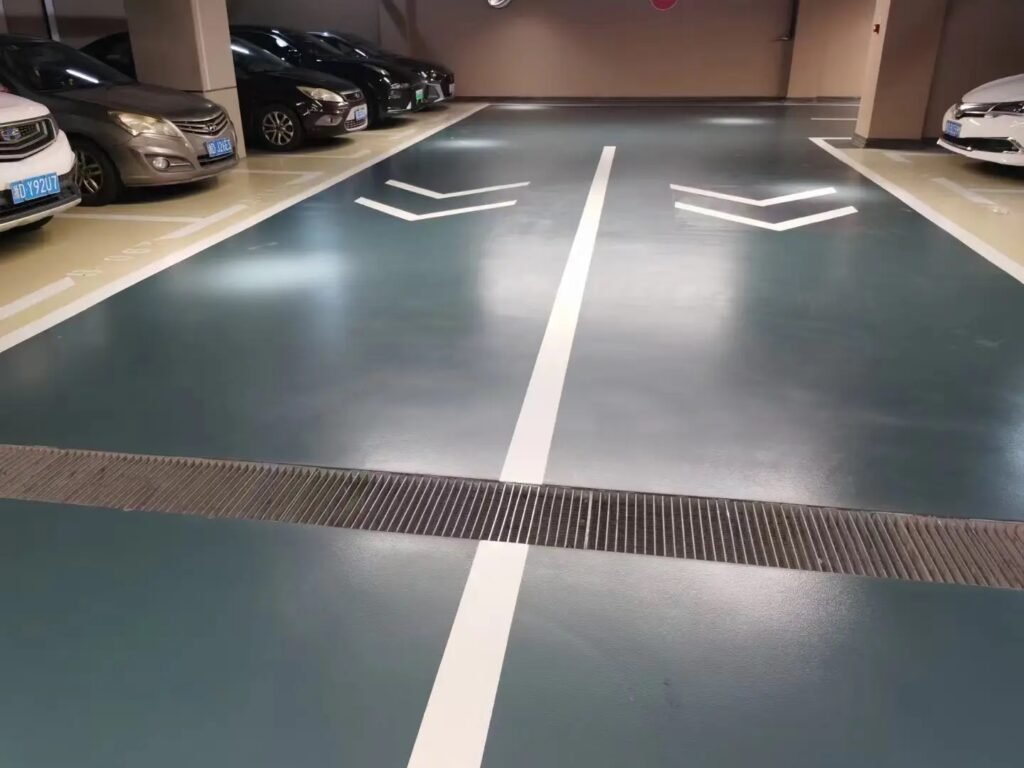
Commercial environments—such as shopping centers, malls, and hotels—require flooring that is both aesthetically pleasing and highly wear-resistant. With its diverse range of colors and patterns, epoxy colored-sand flooring meets high-end visual requirements while ensuring long-lasting durability in areas with heavy foot traffic.
2. Industrial Facilities
In industrial settings, flooring must withstand the operation of heavy machinery and exposure to chemicals. Thanks to its superior wear resistance, compressive strength, and chemical resistance, epoxy colored-sand flooring is extensively used in workshops, warehouses, and assembly lines.
3. Pharmaceutical and Food Industries
These sectors demand the highest standards of hygiene and safety. Because it is seamless, easy to clean, and possesses excellent antibacterial properties, epoxy colored-sand flooring is an ideal choice for hospitals, pharmaceutical plants, and food processing facilities.
4. Public Facilities
Public spaces such as airports, train stations, and schools require flooring that is both durable and safe. The slip resistance and long-term durability of epoxy colored-sand flooring make it particularly well-suited for these environments.
5. Residential and Office Buildings
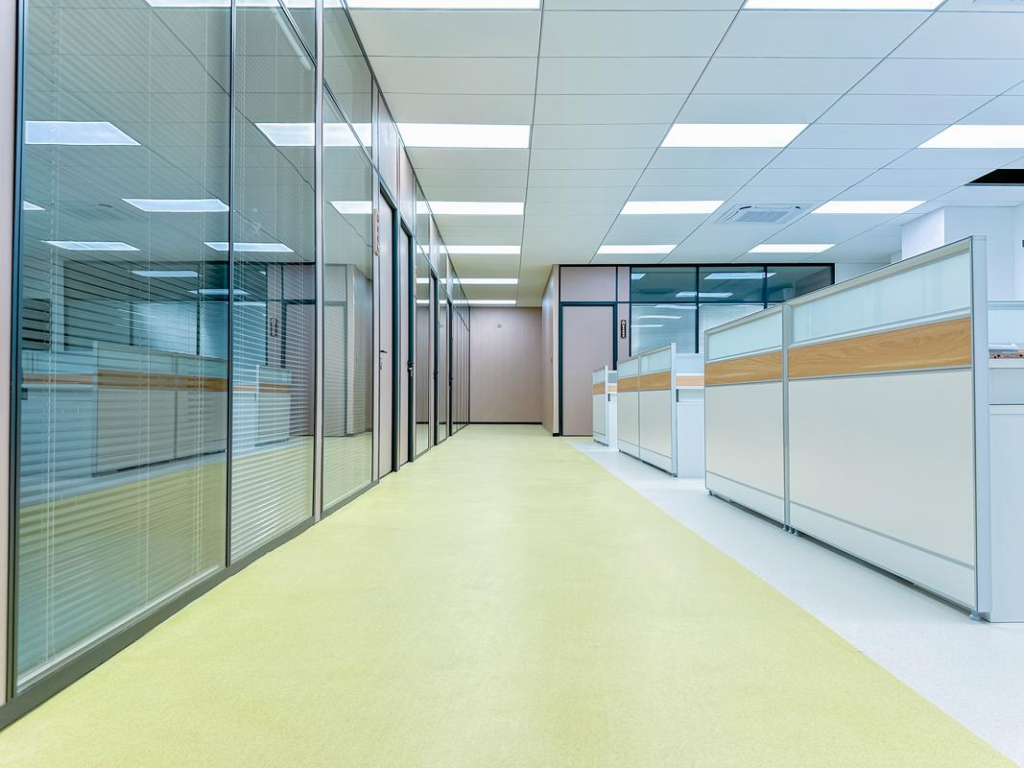
Modern residential and office spaces increasingly prioritize environmental friendliness and aesthetics. With its non-toxic, odorless nature and wide array of color options, epoxy colored-sand flooring has emerged as a new trend in interior flooring. Application Process for Epoxy Colored Sand Flooring
The application process for epoxy colored sand flooring directly influences its performance and lifespan. It generally consists of the following steps:
1. Substrate Preparation
Substrate preparation is a critical step that determines the quality of the epoxy colored sand flooring. Before application, ensure the substrate is dry, level, and free of oil, grease, and dust. If necessary, use a grinding machine to abrade the surface, which enhances the adhesion of the epoxy colored sand system.
2. Primer Application
Apply a primer to the prepared substrate. The primer serves to seal the surface and strengthen the bond between the substrate and the epoxy colored sand system. Allow the primer to sit for a period to ensure it is completely dry.
3. Intermediate Coat Application
The intermediate coat is a key component of the epoxy colored sand system; it serves to level the floor and provide structural support. Typically, the intermediate material consists of a mixture of epoxy resin and quartz sand, with the thickness adjusted based on the specific condition of the floor.
4. Colored Sand Layer Application
The colored sand layer acts as the decorative finish for the flooring. It must be applied with care to avoid color inconsistencies. During application, epoxy resin is mixed with colored quartz sand and spread evenly over the intermediate coat to create the desired patterns and colors.
5. Topcoat Application
The topcoat serves as the final protective layer for the epoxy colored sand flooring, enhancing its resistance to wear, UV radiation, and chemical exposure. After application, the topcoat must be left to cure completely.
6. Curing
Once the application is complete, the flooring requires proper curing—a period of at least 7 days is generally recommended. During this time, avoid dragging heavy objects or subjecting the surface to intense friction to ensure the flooring achieves its optimal performance.